The Procurement Act 2023 is working as expected
Public has published a short impact study about the Procurement Act 2023 in the year and a bit since of its application. It is worth the reading and I will focus on a three key points that sprang to mind.
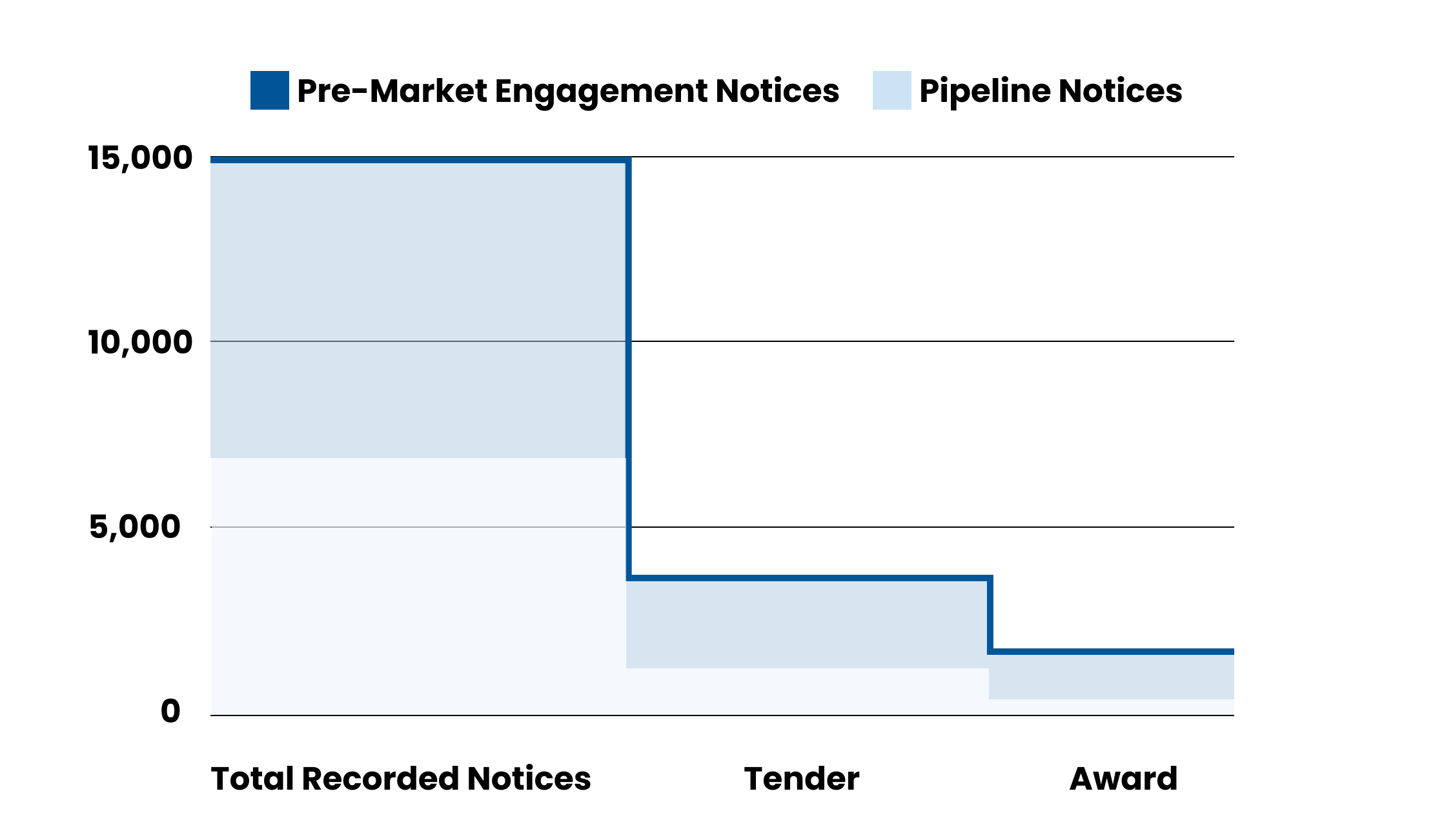
The first point is on the pre-market engagement notices. They're being widely used but all this is doing is increasing the size of the top funnel at the expense of uncertainty. Whereas before a contract notice was a clear indication there would be a procedure and likely a contract awarded, the pre-market engagement notices are simply a statement of intentions. This forces companies to engage with contracting authorities more often, increasing transaction and opportunity costs.
The second one is this one:
"Separately, local councils have noted that several large e-sourcing tools failed to effectively upgrade their systems to support new legal requirements, such as the automated publication of transparency notices to the CDP. In the absence of these capabilities, councils have had to publish notices manually, adding a layer of administrative work to an already bureaucratic process."
As I argued many times, data must be collected automatically via the transaction (transaction-based) and not because a notice is produced (notice-based). It is important to note that despite the legal obligation, platforms have refrained from compliance because it costs them money. That this is a problem well over a year after the transition is an indication that my fears about enforcement were correct. Enforcement is mostly focused on companies (exclusions) and contracting authorities with the platforms passing by undetected.
The final point is perhaps the most important and the 'I told you so' of this post. The data shows that the vaunted competitive flexible procedure (aka the build your own adventure empty vessel of a procedure) has been used for the grand total of 5.8% of contracts. The breakdown by contracting authorities of the heavy users of this procedure shows well where it is being used: utilities.
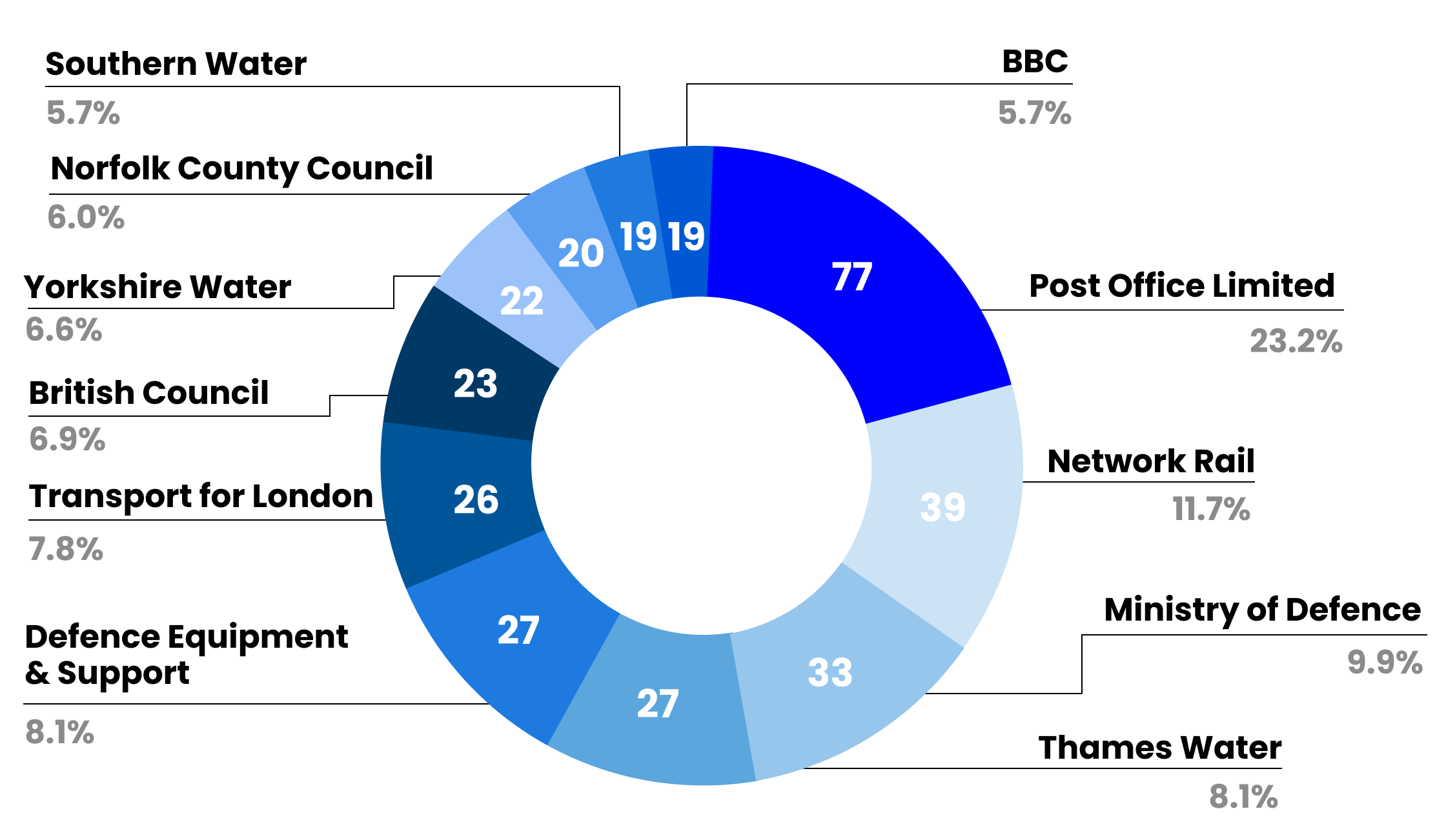
I feel totally vindicated on my claim that this procedure was designed for the top 1% of contracting authorities and not the remaining 99%. Having said this, we should expect numbers to increase as time goes on but this will always be of marginal use. That some thought otherwise is just a sign they don't really understand procurement practice.
Speaking of which, I shall wait seated for the person behind this idea who championed that procurement should be redesigned around how utilities do procurement to come and explain why virtually no one else is using the competitive flexible procedure one year on. I am sure that the explanation, just like Brexit and communism, lies in the implementation and not the idea.