Some extra information about Portugal's recent procurement practice
On my post earlier today I mentioned not being able to access the national procurement portal. As it happens, I can if I use a Mac or an iOS device...but not on my linux machines. So, the portal is up and available for most, at least.
Portugal publishes a procurement report every year and the most recent one available at the moment is from 2024. On it we can find some interesting information about the landscape of public procurement in the country. I will not go into detail on it, but there are a couple of interesting points to highlight.
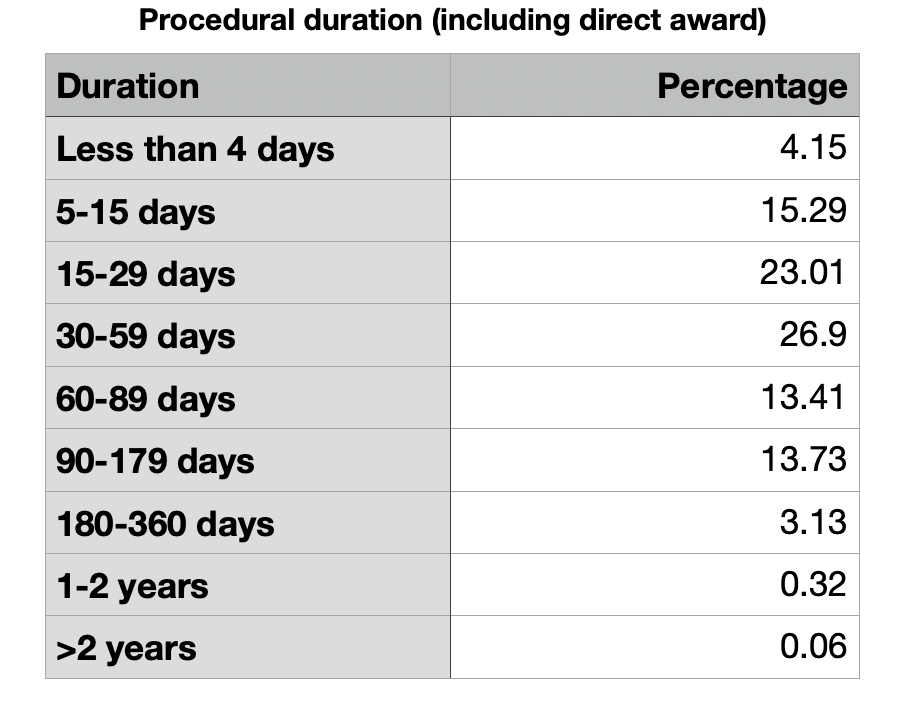
Table 1 - adapted from IMPIC 2024 procurement report
Despite the minister protestations of bureaucracy, the tables on the duration of procedures shows that everything is...mostly fine? It would seem contracts are routinely awarded relatively quickly in Portugal.
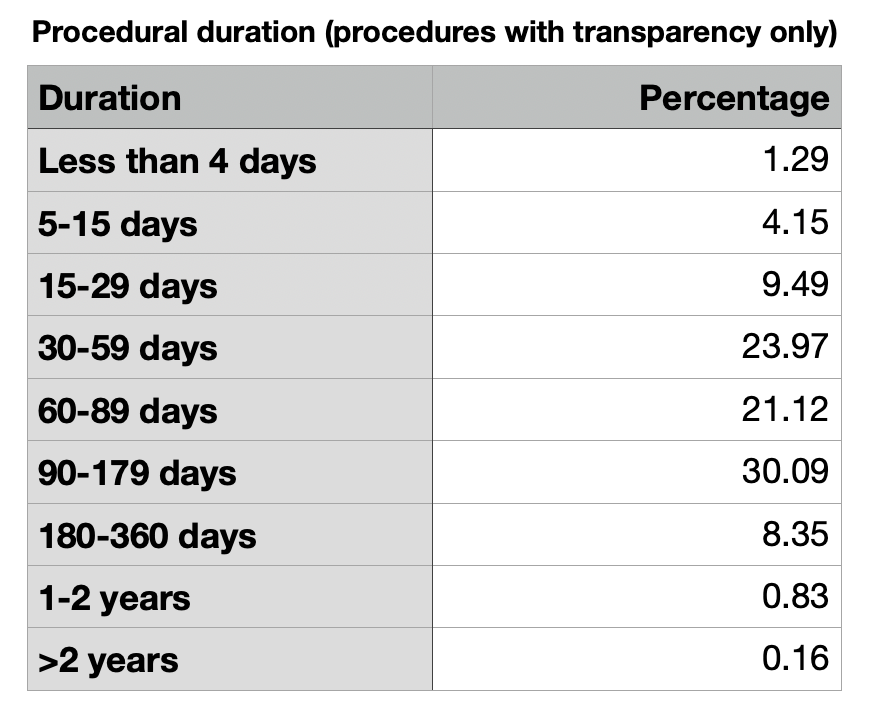
Table 2 - adapted from IMPIC 2024 procurement report
Even if we exclude the direct awards from the dataset, over 50% are awarded within 3 months of the contract notice being published and 90% within 6 months. Unfortunately, I do not have data on the timescales between contract notice and bids being due, so I suspect that most of these delays are on the assessment of bids themselves more than anything else. More complex contracts require more complex procedures and evaluation.
There is 1% of really long procedures and these should definitely be looked into, but these but I think that should be expected anywhere, as we will always find those edge cases. Moreso on a country with a notoriously slow remedies system in place. All in all we seem to be talking about ~350 contracts a year or so.
Then we have the breakdown between different types of procedures. When we pool together direct award and prior consultation which are procedures bereft of most requirements traditionally associated with public procurement, they still represent 75.7% of all contracts in the country and their total number has been growing year-on-year. So, for the vast majority of procurement activity in Portugal there is barely any red tape whatsoever.
It is true that in terms of contract value their combined weight is only 12% of the procurement spend. However, the average contract value for prior consultation procedures is very close to €1M, not a small value for a country like Portugal and slightly above the average value for contracts subject to transparent procedures.
As the majority of these contracts awarded directly are to be found below the EU financial thresholds, the government has free hand to pretty much do whatever it wants there and make that procurement as flexible as possible. The irony is, of course, it is already too flexible.